Hospitality runs on people: the server who remembers a regular’s name, the bartender who keeps guests coming back, the manager who holds a Friday service together. Yet the industry keeps designing those people out of long-term employment. Turnover in hospitality is consistently among the highest of any sector: according to the U.S. Bureau of Labor Statistics, the accommodation and food services sector's quit rate was nearly twice the national average in 2024.
Most operators respond to this by hiring harder, posting more, screening faster, or using another agency. That is treating the symptom. Every departure is a financial cost, a service disruption, and a dent in reputation, and a constant churn of new faces is felt directly by guests. The operators who win are not the ones who fill roles fastest; they are the ones whose people do not leave in the first place.
Here is the uncomfortable part: turnover this high is not bad luck, and it is not the workforce’s fault. It is the predictable result of low pay, weak management, dead-end roles, and unmanaged burnout. Each of those is a decision an employer controls. Five of them must change.
Five things that must change
1. Fix leadership and culture before anything else
People do not quit jobs; they quit managers. Supportive, well-trained leadership is one of the single biggest retention drivers in hospitality, and it costs far less than the turnover it prevents. That means training managers to coach rather than merely schedule, building genuinely open communication where staff see their concerns acted on, and holding leaders accountable for the turnover on their own teams. Culture is not a poster in the break room - in a high-pressure, multitasking environment, it is the difference between a server who walks out mid-shift and one who stays for years.
What must change: make turnover a leadership metric, not an HR statistic. If managers are not measured on whether their people stay, they will optimise for everything except retention.
2. Make pay and benefits genuinely competitive
Pay is not everything, but in an industry known for low wages, the employers who move beyond the minimum stand out immediately. Payscale’s 2025 Fair Pay Impact Report found that employees who believe they are paid unfairly are 45 percent more likely to look for a new job, regardless of what they actually earn, while organisations with high pay transparency see 59 percent lower attrition. “Fair” is as much about perception and transparency as the headline rate. Modest health coverage, real paid time off that staff are encouraged to use, performance-based bonuses for top performers, and practical perks such as free meals or transport stipends all signal that the work is valued.
What must change: compete on the total package, not the hourly figure alone. Fairness and benefits retain people, so that a marginally higher wage down the road will always be able to poach.
3. Turn the job into a career
Hospitality is still labelled a “temporary job,” yet many of the people in it want a career; especially when they feel stuck, they leave quickly. The evidence is overwhelming and durable: LinkedIn’s 2018 Workplace Learning Report found that 94 percent of employees say they would stay at a company longer if it invested in their career development — a figure later studies have echoed. Cross-training servers into bartending, hosts into management basics, and front- and back-of-house staff into new skills creates both flexibility for the operator and a visible future for the employee. A clear path from shift to shift leads to a manager, which is one of the cheapest retention tools available.
What must change: publish the ladder. If an employee cannot describe how they would get promoted, you have not given them a reason to stay.
4. Treat burnout as an operational risk, not a personal failing
Hospitality is physically and emotionally demanding; long shifts, late nights, and constant customer pressure wear people down fast. The American Psychological Association identifies burnout as one of the leading reasons employees leave high-stress industries. Operators who schedule smartly instead of overloading their best people, who protect breaks and rest, and who normalise mental-health support are not being soft; they are protecting their most reliable staff from being driven out. Recognition belongs here too: a well-timed, specific thank-you at a pre-shift meeting does more for morale than most managers expect, and costs nothing.
What must change: stop leaning hardest on your best employees. Overloading the people who never complain is the fastest way to lose them.
5. Hire and onboard for fit, because retention starts before day one
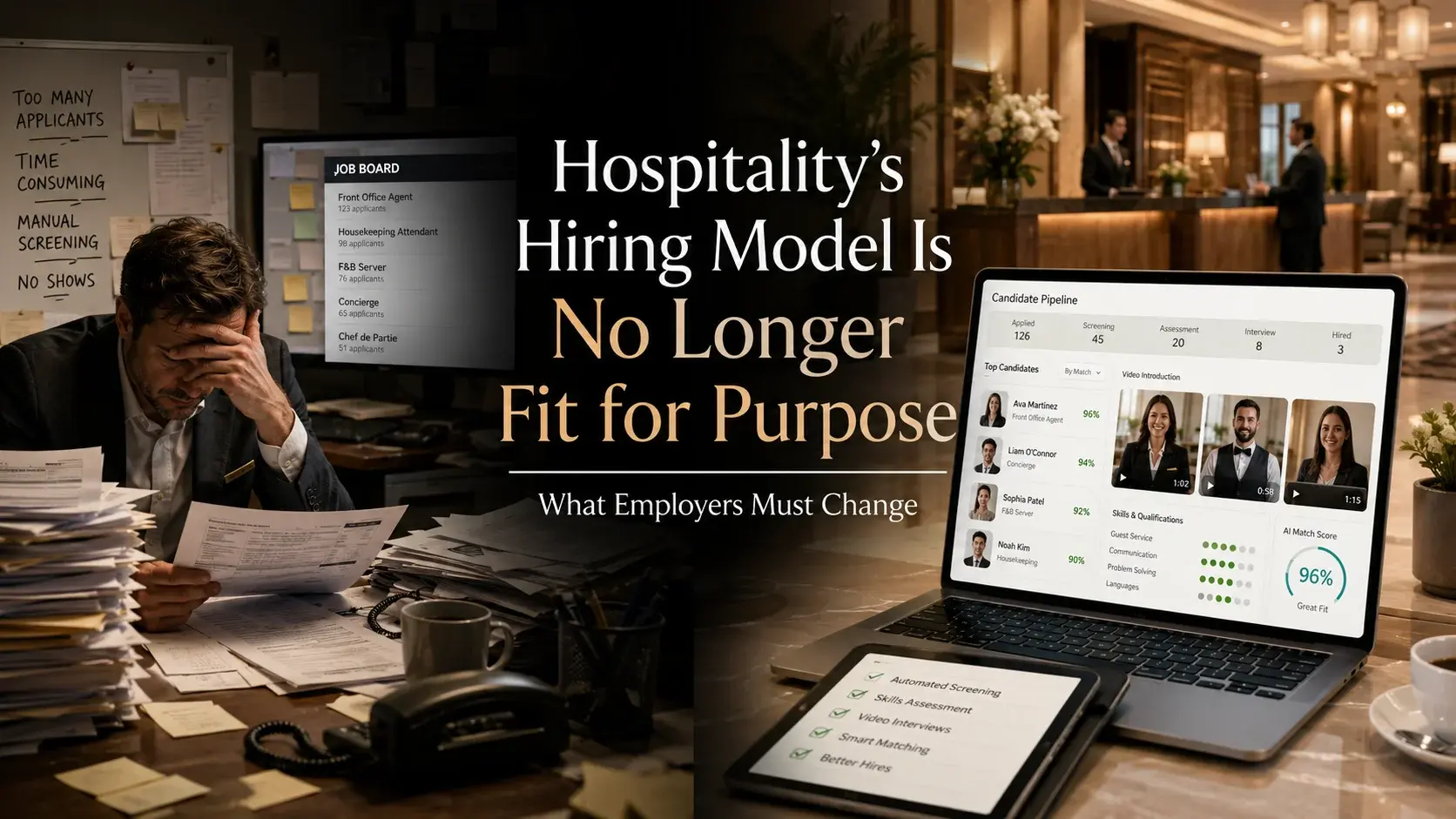
Retention does not begin on an employee’s first shift; it begins with how they were hired and welcomed. Constantly hiring the wrong people guarantees constant turnover. That means hiring for attitude and values, which cannot be trained, over a checklist of skills that can be; streamlining clunky applications that lose strong candidates; and refusing to throw new hires into chaos. A structured first week, a mentor paired with each new starter, and onboarding that teaches culture and expectations turn a promising hire into a lasting one.
What must change: treat onboarding as the first month of retention, not the last step of hiring. The people who feel set up to succeed in week one are the ones still there in year one.
The payoff
Employee turnover is expensive, disruptive, and draining. However not inevitable. Build the culture, pay fairly, open up real growth, manage burnout, and hire for fit, and the churn that operators treat as a cost of doing business starts to fall away. None of these moves requires a bigger budget so much as a different set of priorities.
The compounding benefit is the one that matters most in this industry: every step toward retention improves not only the employee experience but the guest experience, because consistent, motivated, experienced teams are what guests actually feel. The operators who design for people staying, rather than hoping they will, are the ones who will still have a team to staff the Friday rush next year.
Sources
• U.S. Bureau of Labor Statistics — accommodation and food services quit-rate data, 2024
• Payscale — 2025 Fair Pay Impact Report
• LinkedIn — Workplace Learning Report (2018)
American Psychological Association — research on burnout